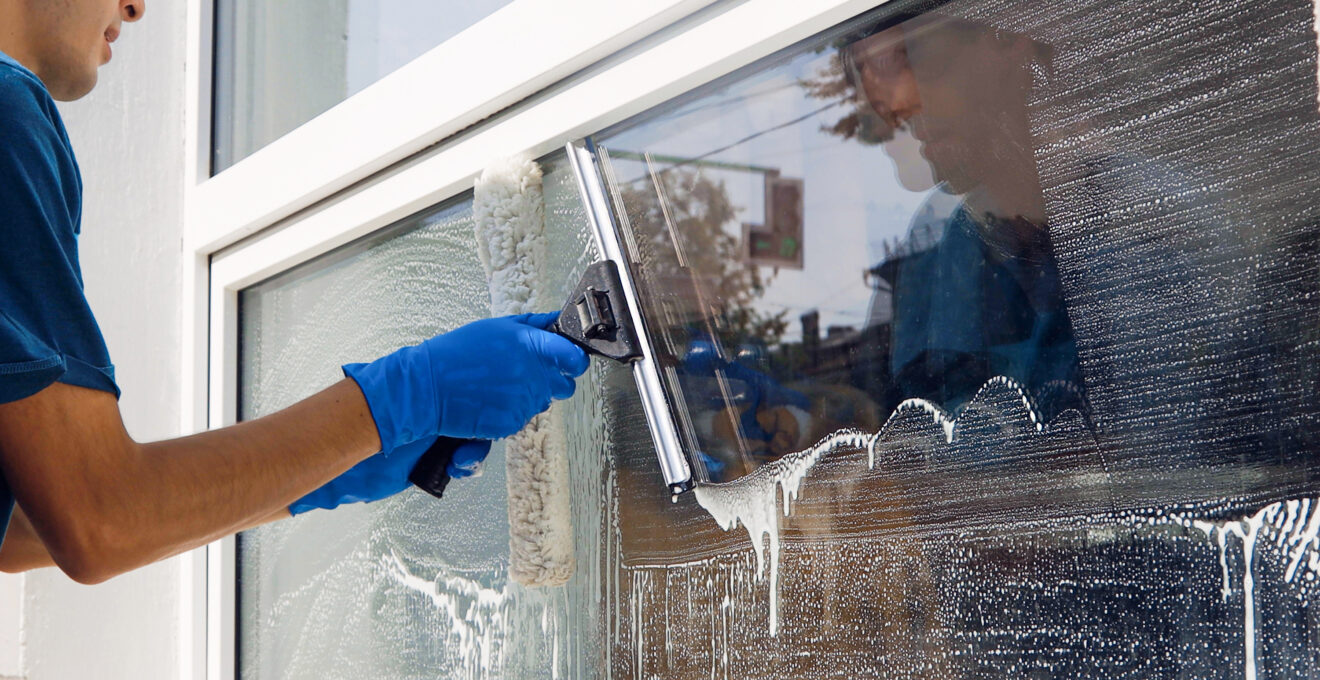
The final walkthrough anxiety is real. You’ve spent days scrubbing floors, wiping counters, and convincing yourself everything looks pristine. Yet when the inspection report arrives, you discover $300 deducted for “insufficient cleaning standards.” This scenario plays out thousands of times monthly across rental properties, leaving tenants frustrated and financially strained.
The gap between tenant perception and landlord expectations isn’t accidental. It stems from invisible contractual mechanisms, psychological inspection biases, and technical cleaning standards most renters don’t know exist. Understanding these hidden dynamics transforms move out cleaning in Oakville from a chore into a calculated deposit protection strategy.
This guide deconstructs the landlord’s perspective during inspections, quantifies the true cost of DIY cleaning mistakes, and reveals how professional documentation creates legal leverage most tenants never access. The question isn’t whether professional cleaning costs money, but whether skipping it costs more.
Your Deposit Protection Strategy in 5 Key Points
- Landlords inspect using contractual cleanliness standards far exceeding everyday maintenance expectations
- DIY cleaning carries hidden costs averaging $150-400 when time, materials, and deduction risks are calculated
- Technical mistakes with wrong products or sequences trigger automatic deposit deductions
- Professional services provide legal documentation that shifts negotiation leverage to tenants
- Strategic timing of cleaning 24-48 hours pre-inspection maximizes deposit recovery rates
What Landlords Actually Inspect and Why Most Tenants Miss It
Rental agreements contain three distinct cleanliness thresholds that landlords interpret through radically different lenses than tenants. Normal wear and tear receives legal protection, but the boundary separating it from actionable neglect remains deliberately vague in most contracts. This ambiguity becomes expensive during final inspections.
Property managers don’t conduct casual visual scans. They follow systematic protocols honed through years of deposit negotiations and legal disputes. The inspection frequency itself reveals how seriously landlords monitor property conditions. Industry data shows that property inspections occur four times per year as the standard practice, establishing documented baselines that make move-out assessments comparative rather than absolute.
The psychological trigger mechanism matters more than individual dirty spots. Landlords use “signal zones” as proxies for overall cleaning quality. When baseboards show dust accumulation or window tracks contain debris, inspectors assume the entire property received inadequate attention. This single-failure cascade explains why minor oversights generate disproportionate deductions.
The inspection dynamic operates on documented accountability. Without baseline records from move-in, landlords can shift responsibility for pre-existing conditions onto departing tenants. Property management experts emphasize that documented records prevent tenants from denying damage responsibility and contesting security deposit deductions. The power imbalance becomes stark when landlords hold timestamped photographic evidence while tenants rely on memory.
| Landlord Priority Areas | Commonly Missed by Tenants | Impact on Deposit |
|---|---|---|
| Kitchen appliances interiors | Behind/under appliances | $50-150 deduction |
| Bathroom grout & fixtures | Shower door tracks | $75-200 deduction |
| Carpets & flooring | Baseboard edges | $100-300 deduction |
| Windows & tracks | Window sill grooves | $25-75 deduction |
Contractual language around “professional cleaning standards” embeds another trap. Many leases require tenants to return properties in the same condition as received, with explicit or implicit references to professional-grade cleanliness. This clause transforms the inspection from subjective assessment to contractual compliance verification, where landlord interpretation carries legal weight.
Landlord’s Priority Inspection Checklist
- Verify tenant maintains property in acceptable condition throughout tenancy
- Compare current state against move-in inspection documentation to identify new damages
- Document all defects, damages, or cleaning deficiencies with written descriptions
- Photograph evidence for deposit deduction justification and potential disputes
The inspection presence factor adds another dimension. Research on rental practices confirms that landlord presence during walkthroughs increases transparency and facilitates immediate agreement on property conditions. Yet this transparency cuts both ways, as landlords can immediately identify and dispute tenant cleaning claims before final deposits are processed.
The Hidden Costs When You Clean Yourself: A Real Numbers Breakdown
The DIY cleaning calculation error starts with time valuation blindness. Most tenants mentally categorize their labor as “free” because no invoice arrives. This accounting fiction collapses when you calculate opportunity cost. Eight hours of intensive cleaning at even a modest $20/hour represents $160 in foregone earnings or personal time value.
Material costs accumulate faster than anticipated. The average household dedicates significant monthly budgets to basic supplies, with research indicating that cleaning supplies range $20 to $70 per month in the average household. Move-out cleaning demands specialized products beyond routine maintenance, from heavy-duty degreasers to carpet spot removers, easily adding $40-80 in one-time purchases.
Equipment rental costs create another surprise expense. Professional-grade carpet cleaners, steam mops, and pressure washers aren’t typical household items. Rental facilities charge $30-50 daily for carpet cleaning machines alone, plus deposits and cleaning fees. When you factor in transportation time and fuel costs, the convenience premium diminishes rapidly.
Understanding the financial dynamics requires examining both upfront service costs and hidden DIY expenses. Professional services carry transparent pricing, while self-cleaning hides costs across multiple categories. The break-even analysis shifts dramatically when you incorporate deduction risk and time investment.
The deduction probability multiplier transforms theoretical savings into actual losses. When DIY cleaning has a 40% chance of triggering a $200 deduction versus a professional service with a 5% risk, the expected value calculation favors professional intervention. This probability-weighted analysis reveals why the cheapest option frequently becomes the most expensive.
Re-cleaning scenarios compound the initial savings illusion. When landlords reject tenant cleaning efforts, they often hire their own contractors at premium rates, then deduct inflated costs from deposits. These secondary cleaning charges typically run 150-200% of market rates due to urgency premiums and landlord-contractor relationships that incentivize higher billing.
The breakeven threshold varies by deposit size and property condition. For deposits under $800 on small apartments, DIY might pencil out if you possess proper equipment and skills. Once deposits exceed $1,500 or properties involve multiple bathrooms and extensive square footage, professional services shift from optional to financially prudent. For those interested in comprehensive preparation strategies, resources on planning a smooth move can provide additional context for coordinating all relocation activities effectively.
Common DIY Cleaning Mistakes That Trigger Automatic Deductions
Chemical residue errors represent the most invisible yet detectable DIY failure mode. Glass cleaners containing ammonia leave microscopic films on stainless steel that appear clean to the naked eye but show streaking under certain lighting conditions landlords use during inspections. Bleach applications on colored grout cause permanent discoloration that tenants mistake for cleaning success until inspectors flag it as damage.
Sequence mistakes create cascading inefficiency. Cleaning floors before addressing ceiling fans and high surfaces means dust and debris fall onto freshly cleaned areas, requiring duplicate effort. This temporal ordering error extends cleaning time by 30-40% while still producing inferior results compared to the top-down professional methodology.
The hidden zone blindness pattern emerges from everyday living perspective. Tenants inhabit properties at eye level, naturally missing areas above and below normal sightlines. Cabinet interiors, refrigerator tops, baseboard backs, and toilet base perimeters remain outside daily attention, accumulating months of neglect that becomes glaringly obvious during vacant property inspections with optimal lighting.
| Normal Wear & Tear | Tenant Damage (Deductible) |
|---|---|
| Small nail holes | Large holes in walls |
| Faded paint | Crayon marks or stains |
| Minor carpet wear | Stains or burns |
| Loose hinges | Broken doors or fixtures |
Surface damage through inappropriate techniques converts cleaning attempts into chargeable repairs. Abrasive scrubbing pads remove finish from ceramic tiles, creating dull patches that require professional restoration. Excessive steam application loosens tile grout, while acidic cleaners etch natural stone countertops. These irreversible damages transform $20 cleaning projects into $300 repair deductions.
The statistical reality of tenant-landlord disputes underscores how commonly these issues occur. Industry surveys reveal that 41% of renters report having at least one move-out disagreement over costs for repairs, damages, maintenance, or utility payments. This conflict prevalence suggests systematic misalignment between tenant cleaning approaches and landlord expectations.
Property inspections assess how tenants are taking care of the rental property. By conducting regular inspections, property owners can hold tenants accountable for damages or violations. This helps maintain relationships and encourages better care. Landlords can document conditions to determine necessary deductions from the security deposit.
– Property Management Analysis, Your Oklahoma City Property Manager
The documentation asymmetry amplifies these mistakes. Tenants rarely photograph their cleaning work, while landlords systematically document deficiencies. This evidentiary imbalance means tenant claims of adequate cleaning carry minimal weight against landlord photographic evidence of overlooked areas or damaged surfaces.
Product selection errors stem from cost optimization rather than effectiveness prioritization. Discount multi-surface cleaners lack the specialized formulations needed for different materials. Using the same product on wood, tile, glass, and stainless steel guarantees suboptimal results on at least three surfaces, creating the appearance of incomplete or careless cleaning during inspections.
How Professional Cleaners Document Your Deposit Protection
Professional cleaning services operate as evidence generation systems as much as sanitation providers. The documentation protocol begins before the first surface gets wiped, with comprehensive photographic inventories establishing baseline conditions. These timestamped images create irrefutable records that protect both the service provider and the client tenant from subsequent disputes.
Certification documentation carries legal weight that DIY efforts cannot replicate. Signed completion checklists detail every area addressed, creating contractual proof of service delivery. When landlords receive professional cleaning certificates alongside move-out notices, they face significantly higher evidentiary burdens to justify deposit deductions for cleanliness issues.
The psychological deterrence factor matters as much as legal standing. Landlords hesitate to challenge professional cleaning documentation because it signals tenant seriousness and potential willingness to pursue formal disputes. This shifts the negotiation dynamic from tenant defensiveness to landlord justification, fundamentally altering the power balance in deposit discussions.
Re-intervention guarantees provide insurance that DIY cleaning cannot match. Professional services typically offer 24-48 hour callback windows where they return at no additional charge if landlords identify deficiencies during initial inspections. This safety net eliminates the tenant’s worst-case scenario of deposit deductions for correctable issues discovered after move-out.
Liability insurance transfer represents another hidden value component. Professional cleaning companies carry commercial insurance covering accidental property damage during service delivery. If a cleaning technician damages a fixture or surface, the company’s insurance handles repairs rather than the tenant’s deposit. This risk transfer alone can justify service costs on high-value properties.
Industry perspectives acknowledge the protective value these services provide. Analysis of move-out procedures confirms that professional cleaning generates documentation serving as crucial evidence when deposit disputes arise, giving tenants concrete proof of their good-faith efforts to restore property conditions.
The strategic presentation timing of documentation amplifies its effectiveness. Providing cleaning certificates at inspection start anchors landlord expectations toward acceptance rather than scrutiny. This psychological priming effect, combined with professional-grade results, dramatically reduces dispute likelihood compared to scenarios where tenants appear defensive or unprepared.
Standardized protocols eliminate the subjectivity that fuels deposit conflicts. Professional checklists follow industry-recognized standards that many lease agreements reference explicitly. When cleaning documentation aligns with contractual language about “professional standards,” landlords have minimal grounds to claim inadequate performance.
Key Takeaways
- Landlords use documented signal zones and contractual cleanliness thresholds that exceed tenant daily maintenance standards
- DIY cleaning’s hidden costs including time, specialized materials, and deduction risks often exceed professional service fees
- Technical cleaning mistakes with chemicals, sequences, and overlooked zones trigger the majority of deposit deductions
- Professional documentation creates legal leverage and psychological deterrence that shifts deposit negotiation dynamics favorably
- Strategic timing and pre-inspection coordination transform cleaning from reactive chore to proactive deposit protection system
Timing Your Professional Cleaning for Maximum Deposit Recovery
The cleaning-to-inspection interval creates a strategic optimization problem. Schedule too early and the property accumulates dust or gets re-dirtied during final move-out activities. Schedule too late and you lose the option to correct deficiencies before official inspection. The optimal window balances these competing risks through careful coordination.
The 24-48 hour pre-inspection target represents the industry consensus sweet spot. This timeframe ensures cleaning freshness while preserving re-intervention opportunities. Properties remain visibly pristine while allowing scheduling flexibility if landlords request inspection adjustments or if minor touch-ups become necessary after initial service completion.
Booking timeline considerations extend beyond service delivery dates. Popular cleaning services fill their calendars weeks in advance, particularly during peak moving seasons at month-end and summer periods. Securing preferred time slots requires advance planning that many tenants overlook until the last minute, forcing them into suboptimal scheduling or unavailable premium providers.
Pre-inspection walkthroughs offer strategic advantages that few tenants leverage. Inviting landlords for informal property reviews after professional cleaning but before official inspections allows collaborative deficiency identification. This cooperative approach transforms potential disputes into resolved issues, as problems get corrected while the tenant retains access and the cleaning company remains available.
| State | Return Timeline | Special Requirements |
|---|---|---|
| California | 21 days | Itemized deductions required |
| Texas | 30 days | Written notice of deductions |
| Florida | 15-60 days | Depends on dispute status |
| New York | 14 days | Itemized statement required |
Coordination with other service providers requires careful sequencing. Repair work generates dust and debris that negates prior cleaning efforts. The optimal sequence follows a clear progression: complete all repairs and painting first, then schedule professional cleaning as the final step before inspection. This prevents the costly mistake of cleaning twice or accepting deductions for construction residue.
The certificate presentation strategy transforms documentation into negotiation tools. Rather than reactively producing cleaning proof during disputes, proactive presentation at inspection start frames the entire walkthrough. Landlords viewing properties with professional certificates in hand approach assessments differently than those conducting open-ended deficiency hunts.
State-specific deposit return timelines create varying urgency levels. Jurisdictions with shorter mandatory return periods pressure landlords to process refunds quickly, reducing their incentive to pursue minor deductions that require documentation and justification. Understanding local regulatory frameworks helps tenants calibrate their cleaning investment relative to likely deposit recovery outcomes.
Environmental considerations increasingly influence both tenant preferences and property standards. Many modern rental agreements include sustainability clauses or preferences for non-toxic cleaning methods. Resources on eco-friendly cleaning solutions can help tenants align their move-out preparation with both environmental values and evolving landlord expectations around green practices.
The final walkthrough checklist should include specific documentation protocols. Tenants should photograph or video record property conditions immediately after professional cleaning, capturing timestamps that prove condition at service completion. This creates redundant evidence supporting both professional documentation and tenant interests in potential disputes.
Frequently Asked Questions on Home Cleaning
What documentation do professional cleaners provide?
Professional cleaning services provide detailed checklists documenting all areas cleaned, time-stamped photographs showing before and after conditions, and signed certificates of completion. This documentation serves as legal evidence of property condition and professional-grade service delivery in case deposit disputes arise with landlords.
How much does professional move-out cleaning typically cost?
Costs vary significantly based on property size, condition, and regional market rates. Small apartments typically range from $125-200, while larger homes with multiple bathrooms can cost $300-500. Most services provide free estimates after evaluating square footage and specific cleaning requirements.
Do I need to be present during the professional cleaning?
Your presence is not required as long as you provide property access through keys or lockbox codes. Many tenants schedule cleaning after they have fully moved out to ensure cleaners have unobstructed access to all areas and no personal belongings remain that could interfere with thorough service delivery.